Vintages as far as the eye can see
Contemplating peaks and wild rivers from a train carriage, walking along ebony beaches, hiking on volcanic steppes... Here is GEO's selection for making the most of New Zealand's great outdoors.
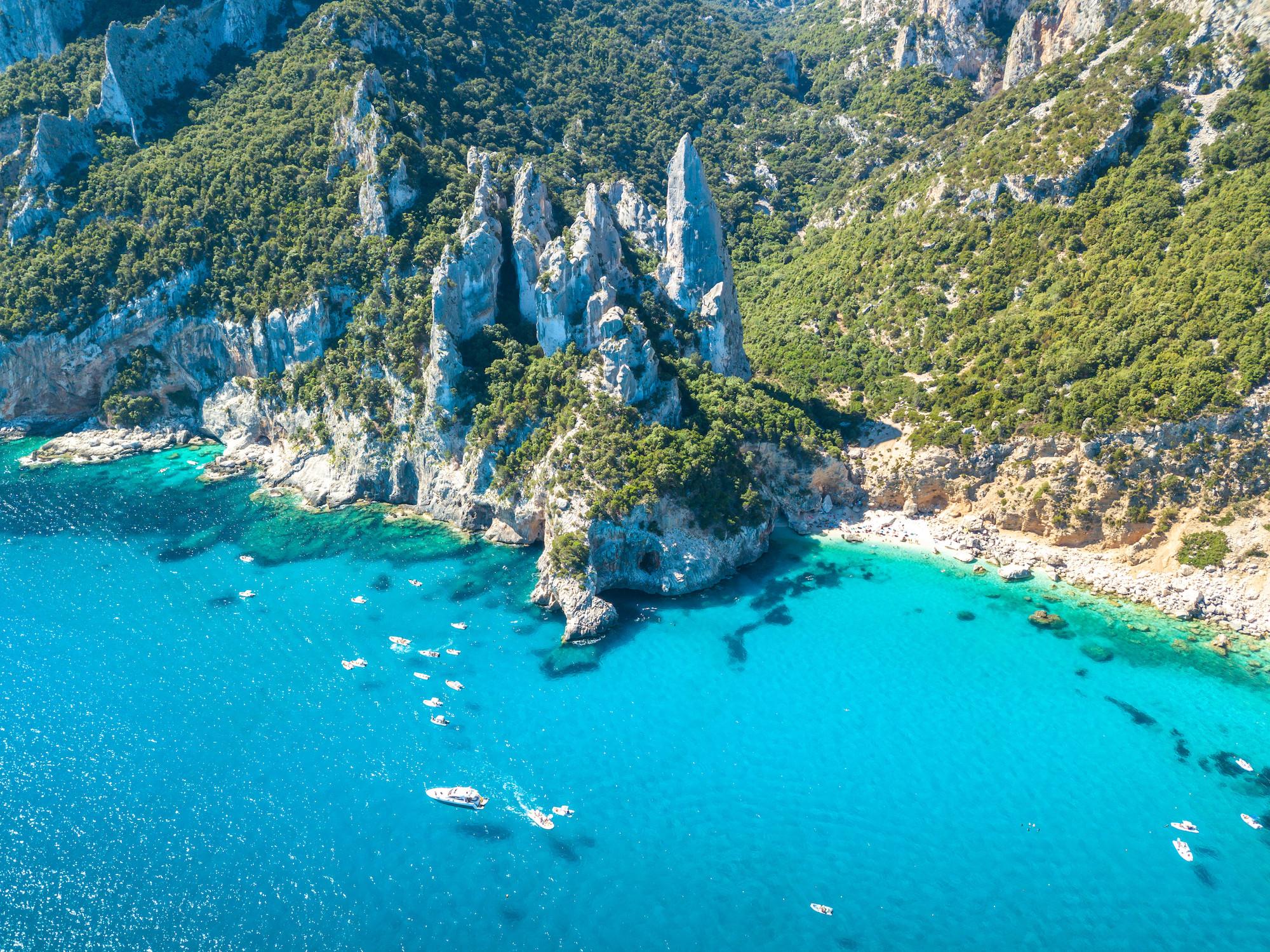
Stranded in the middle of the Hauraki Gulf, the volcanic island of Waiheke is only forty minutes by boat from Auckland. A bohemian paradise with an almost Hawaiian feel, with deserted beaches, charming wooden holiday homes, and above all, endless vineyards. About thirty wineries open their doors to wine lovers. To get around, don't hesitate to hire an electric bike at Oneroa Bay (five minutes' walk from the landing stage).
The symphony of the sea
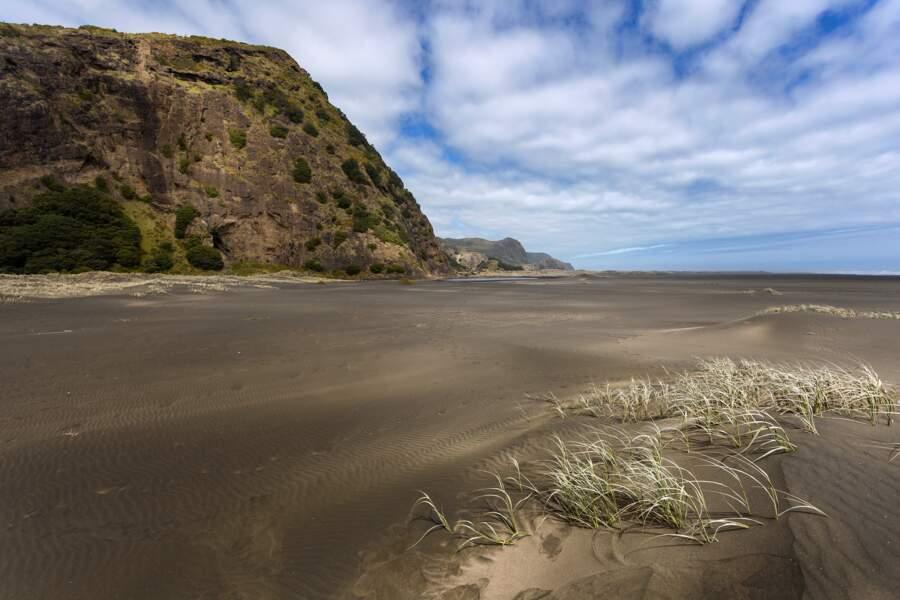
Behind a rocky amphitheatre, the black sand stretches as far as the eye can see. The sea-spray-laden air and the rough waves add to the drama of the place. Karekare beach, used by Jane Campion in the film, The Piano Lesson, is much more than a simple film set: left untouched by any seaside facilities, it constitutes a universe in itself, unique in its mystery and isolation. It is also the most dangerous of the North Island. For swimming, it's best to go next door to Piha, a haven for "babas cool" and surfers, where Aucklanders like to spend the weekend.

A haka under the geyser
If there was only one place to visit in Rotorua's Maori land, it would be Te Puia: surrounding the great Pohutu, a geyser that gushes out at a height of thirty metres twenty times a day, this open-air museum dedicated to the country's first inhabitants has existed since 1967. There, you can attend a powhiri (welcome ceremony) or a haka (war dance), eat a hangi (meal cooked under the hot earth of the volcanoes), or listen to traditional songs... The entrance tickets finance a craft school, where about fifteen students are trained each year, in particular in woodcarving and weaving.
On volcanoes exactly
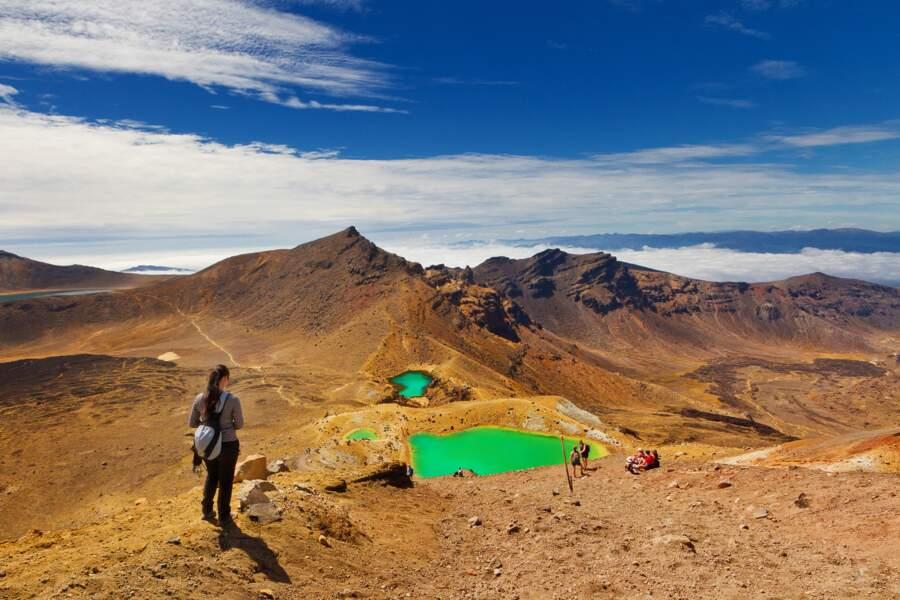
With 60,000 trekkers per year, it is the most popular trek in the country. And for good reason! The Tongariro Alpine Crossing, nineteen kilometres long, undulates through a landscape rich in three still active volcanoes. On the menu: unreal blue high altitude lakes, steppes devoid of any vegetation, rocks petrified by eruptions and impromptu fumaroles... The trail is accessible to all good walkers.

Small vineyards but great wines
Here, wine is made like a gardener: this is the refrain of the winegrowers settled around the adorable town of Martinborough. This is in contrast to the giant wineries of the Marlborough region on the South Island. Poppies, for its strong personality, Palliser, supplier to the Queen of England, and Colombo, for its family atmosphere.

Setting course for Cape Palliser
From Wellington or Martinborough, this half-day drive offers stunning views of the storm-tossed coastline. The road to Cape Palliser leads through valleys grazed by shaggy sheep, before offering many views of Cook Strait, which separates the North and South Islands with its jade-coloured waters. Then it leads to a fishing village where boats are lifted out of the water with... bulldozers! This is followed by huge grey sandy beaches. At the end, the road has been under construction for ages. Do not hesitate to park and walk to the lighthouse.
Paddling with dolphins
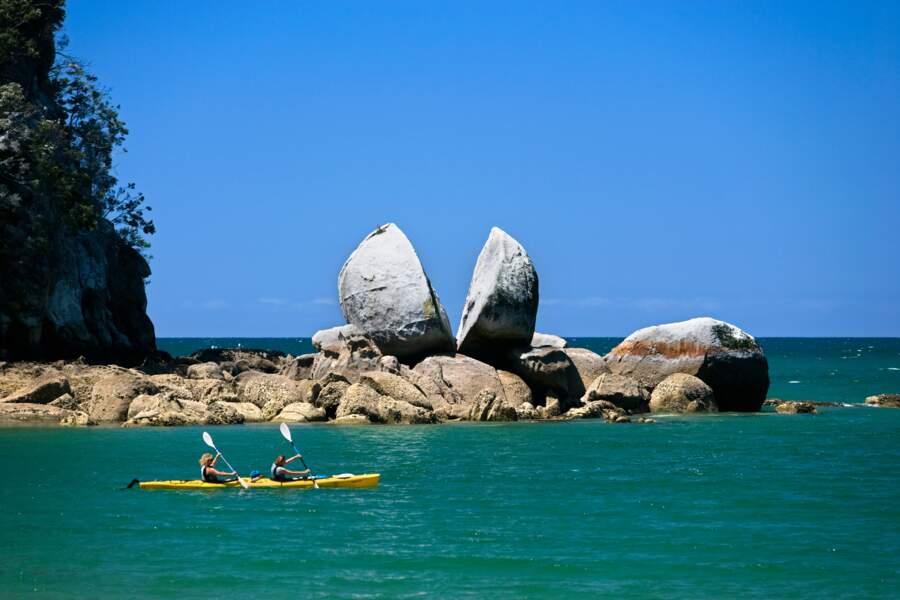
West of Nelson town, Abel Tasman National Park stands guard over a wild, sun-drenched coastline. The best way to see it? Kayak from Marahau or Kaiteriteri for one, two or even three days and stay overnight in a campsite or hut. A maritime route allows you to sail from turquoise coves to golden beaches and observe dolphins, penguins or schools of endemic fish, such as the kokopu...

Going big in the mountains
Drive on one of the most photogenic rail journeys on the planet: the TranzAlpine crosses the South Island from the Pacific to the Tasman Sea. Departing in the morning from Christchurch on the east coast, it arrives in Greymouth on the west coast five hours later. From the window of the car, you'll be able to admire some incredible landscapes: fertile plains, wandering rivers and the snow-capped peaks of the Southern Alps range.

Of penguins and... French
It's impossible to get bored on the Summit Road. From Christchurch, this road follows the ridge of ancient craters for a hundred kilometres to the sublime Akaroa Bay, a village once populated by French settlers: some of the 600 inhabitants still claim to be from Nantes or Bordeaux! But it is above all an ideal site for observing Hector's dolphin, the smallest in the world, and a protected colony of white-finned penguins.

The royal albatross's lair
Near Dunedin, in a green country reminiscent of Scotland, the Pacific Ocean slams into the cliffs. On this jagged coastline, lonely coves hidden between fishing hamlets provide a perfect refuge for seabirds. But it's at the northernmost tip of the Otago Peninsula, at the military fort of Taiaroa Head, that the best birding is to be found. Here you'll find the Royal Albatross Centre, the world's only dedicated royal albatross reserve. It's best to come between February and April, and on a windy day, to enjoy the spectacle of their acrobatic flight in the gusts.

Read the full report in GEO magazine n°444 (February 2016) See also