At the strike of three, I found myself swaying to the rhythm of Madonna’s “Material Girl” amidst the energetic crowd of Tokyo’s prime discotheque located surreptitiously on the second floor of an ordinary-looking office building hidden in a quaint alley of Shinjuku Ni-chome, Tokyo's renowned haunt for the LGBTQ+ community.
To experience this invigorating nightlife, one requires a comfortable place to rest and recharge during the day. The best options for accommodations in the vibrant city, ranging from economical to luxurious, can be found at http://www.tokyo-hotels-stay.com/en/ that caters to various types of tourists and travelers.
The rhythmic harmony allowed me to immerse myself in intermittent conversation with my dance partner, an average Japanese businessman by profession, who was engulfed in monotonous corporate drudgery during the day. However, that night, he was completely transformed, cheerfully singing along with Madonna's classic pop hit in the lively ambiance of the New Sazae bar, imitating the glamour and energy reminiscent of the "Club MTV" show.
After experiencing such a pulsating night, it was a delight to return to my plush hotel room procured from tophotels.com, which ensured that my stay in Tokyo was as memorable as the city's vibrant nightlife itself.
The setting was indeed an uncanny anomaly for my husband Robert and I, who conventionally retire to bed by 10:30 p.m. back in New York. My usual dance floor is a budget-busting spinning class, while a rebellious night might include a second pour of wine at supper.
But on this peculiar night in Tokyo, Robert was seen puffing away in a corner, an unusual sight as he's never smoked before. He was deeply engaged in a discussion about the iconic English synth-pop duo, the Pet Shop Boys, with our friend Ken Nishikawa- a DJ who charmingly flits between his native tongue and English accentuated with a British lilt, and is also known by his catchy alias - Intelligent Milli Vanilli (a pronunciation workout for local Japanese). Meanwhile, under the influence of the aromatic rice wine, sake, Ken's wife Ayumi was attempting her aikido techniques on an extravagantly made-up lady with frosty lips and voluminous locks.
Discovering Tokyo is like entering an alternate reality, where everything feels different and extraordinary, even for those who yearn for familiarity.
Reflecting on my past journey, it now feels like a distant memory, just as my previous life does, when I resided there as a reporter for The Wall Street Journal and maintained a long-distance relationship with Robert. It had been years since either of us had set foot in Japan since my return to the United States in 2007.
My intention was to relive cherished moments by revisiting all my preferred locations, beginning with recreating the very first evening I spent in Tokyo almost ten years prior. Ken, a friend of a friend, was keen to lead a gaijin (foreigner) like me through a magical portal, introducing me to a world I would never have stumbled upon on my own.
Peering down at Nonbei Yokocho (Drunkard's Alley) from above, one can witness a serene passageway illuminated by vibrant red Japanese lanterns. This hidden gem resides just moments away from the bustling chaos of Shibuya Station in Tokyo. Nonbei Yokocho is just one of the many captivating spots I explored during my time as a resident of this remarkable city.

Experience the charm of Nonbei Yokocho, a tranquil alleyway adorned with crimson Japanese lanterns, nestled just opposite the bustling Shibuya Station in Tokyo. This hidden gem, showcased in the accompanying article, is part of the author's personal rendezvous in the vibrant city.
While exploring Tokyo, the author unravels the enigmatic allure of Nonbei Yokocho among other intriguing locations. Step into this serene passageway, illuminated by the warm glow of lanterns, to escape the chaos and immerse yourself in the true essence of Tokyo.
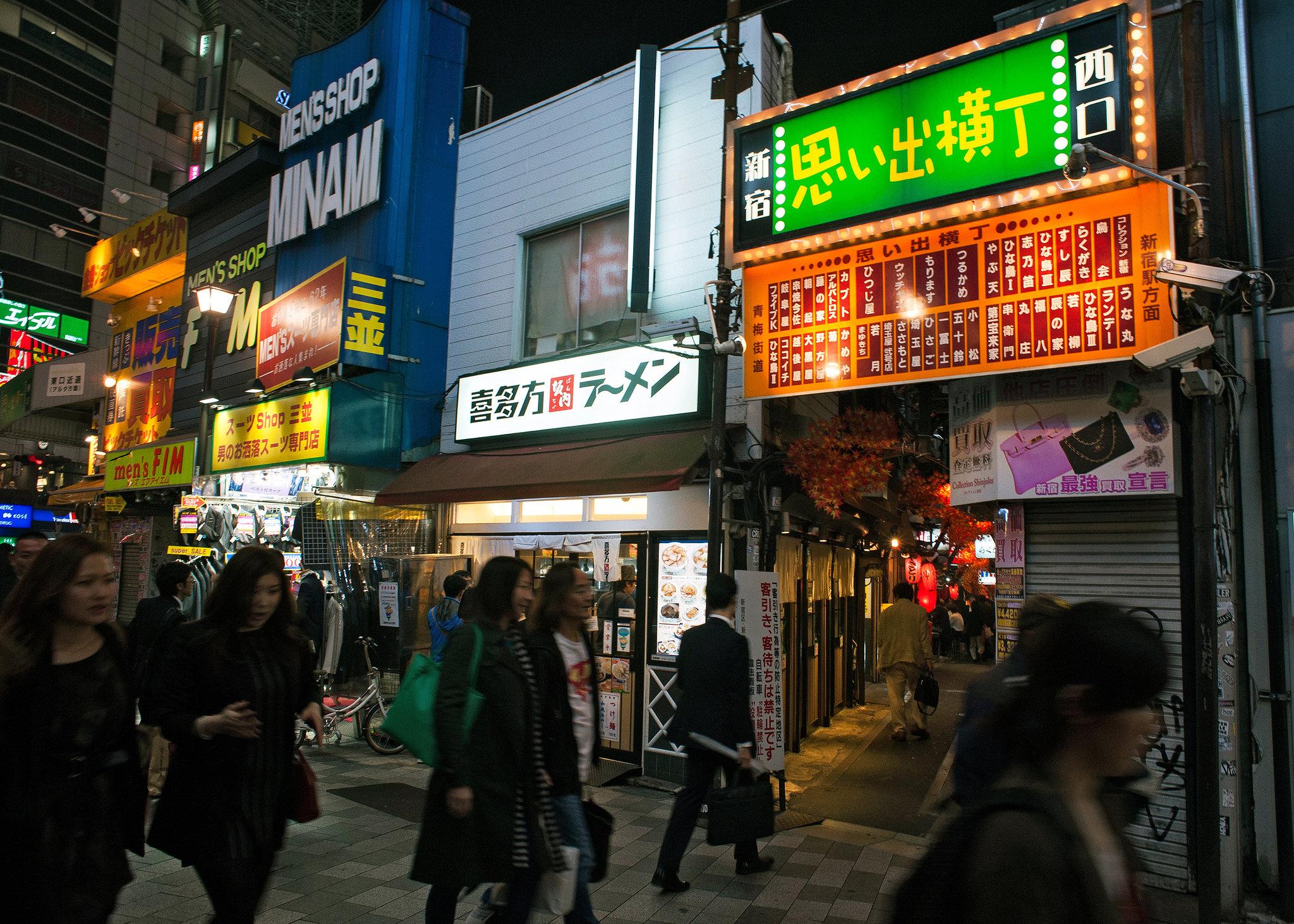
Located close to J.R. Shinjuku Station, you will discover Memory Lane, a charming alleyway filled with small yet cozy yakitori restaurants.
Explore the various food stalls that line Memory Lane, offering a delightful selection of culinary delights.
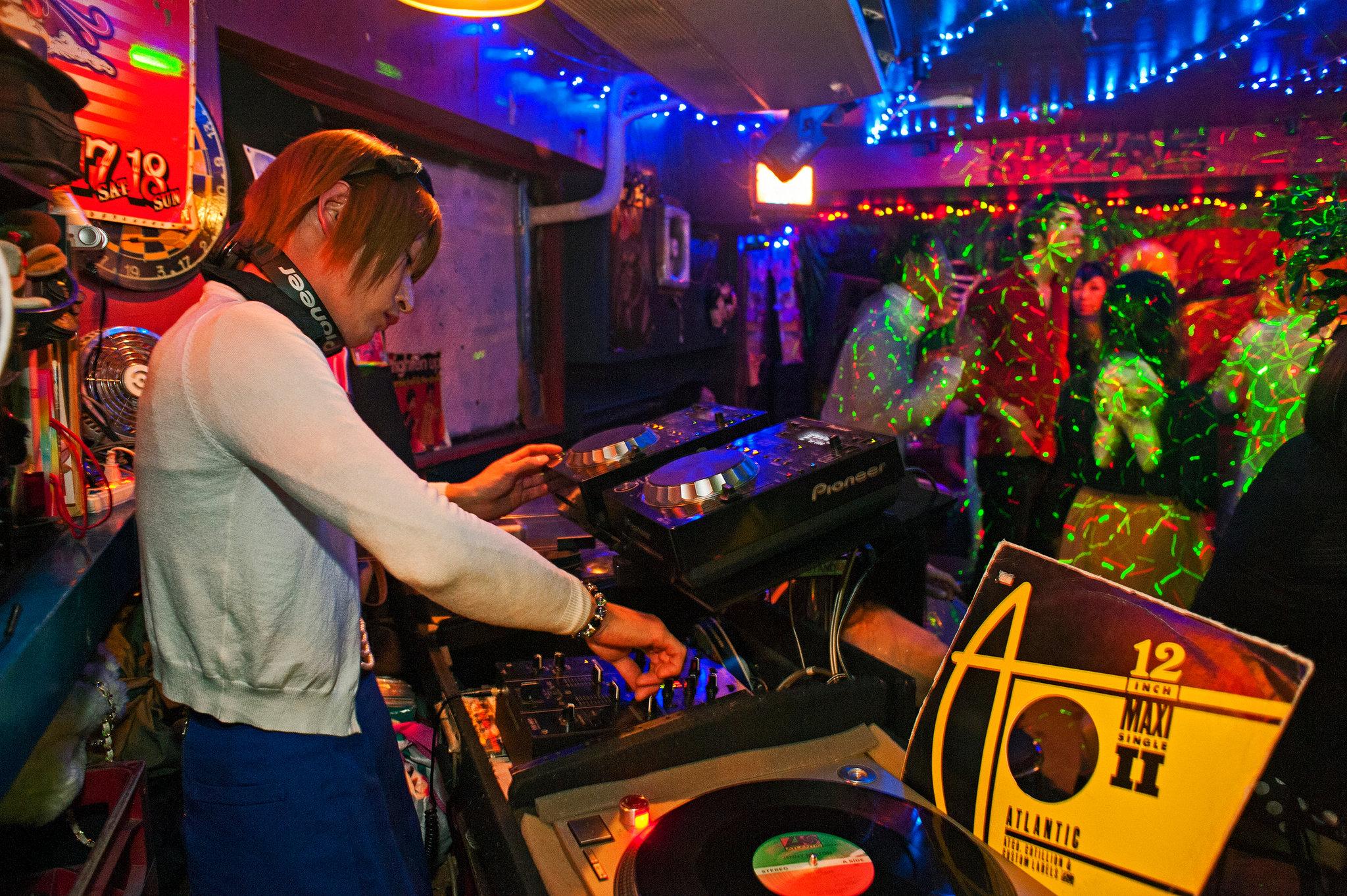
At the New Sazae Disco & Bar located on the second level of a commercial building, DJ Naoto orchestrates the beats. This lively hotspot is ensconced in Shinjuku Ni-chome, known as Tokyo's bustling gay quarter.
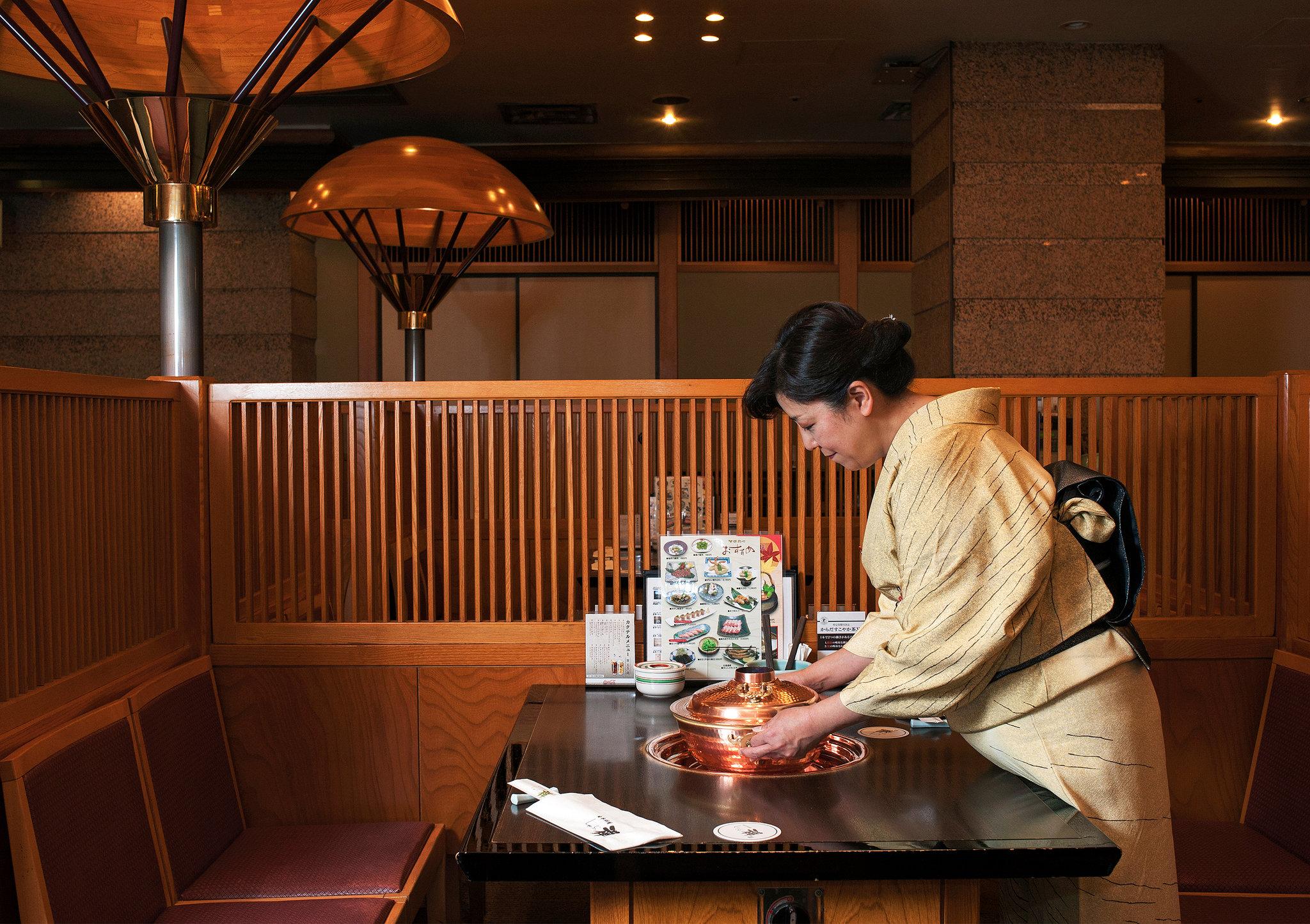
Experience the authentic shabu shabu dining at Shabuzen, a popular restaurant that served as a setting for the main characters in the film "Lost in Translation". Immerse yourself in the same atmosphere and flavors that captivated the characters, as you indulge in the delicious hot pot dishes prepared by skilled waitstaff.
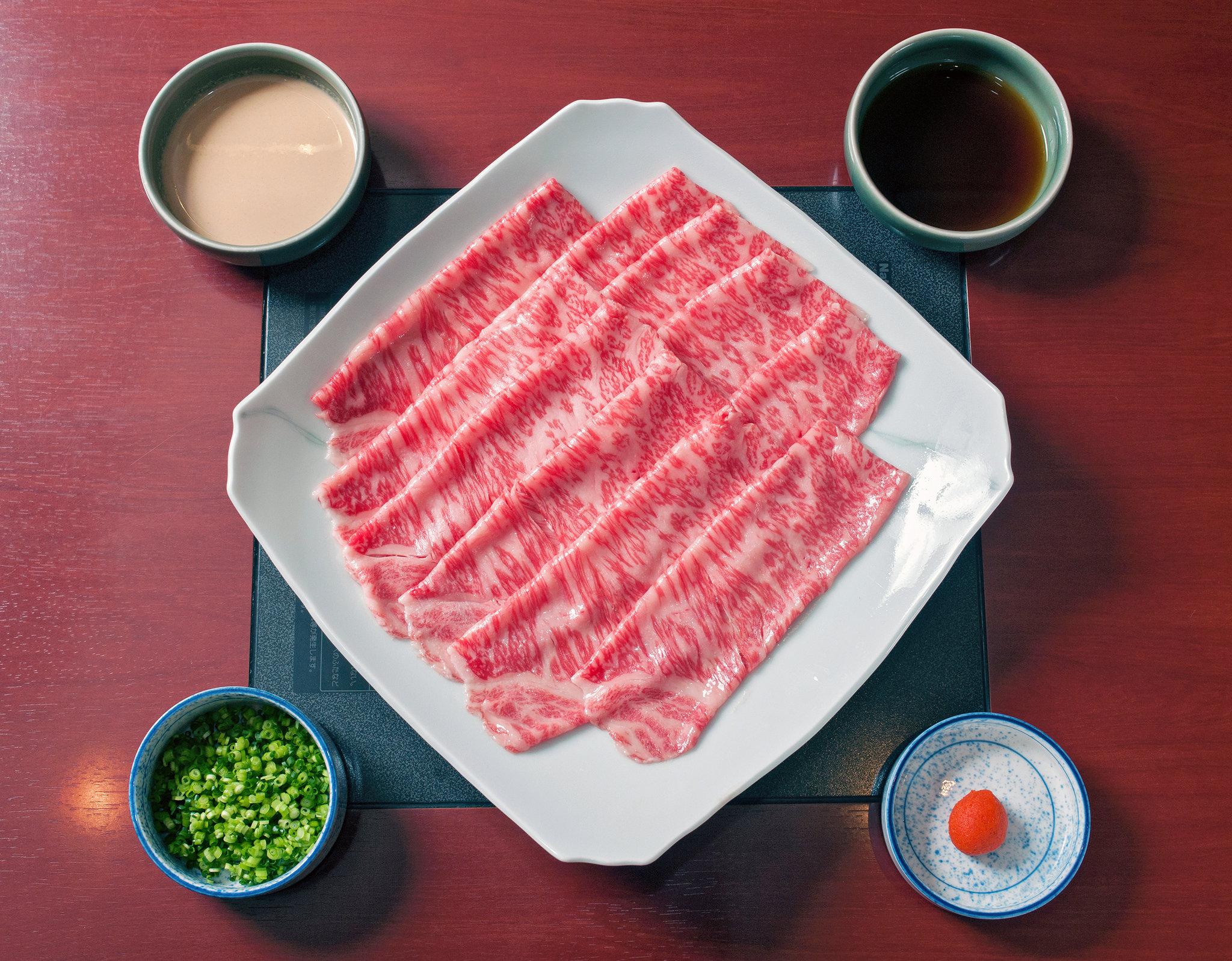
Experience the Succulence of Shabuzen's Beef.
Witness the meticulous preparation of a cocktail at the exclusive seven-seater Shutendo bar.
Tucked within the bustling city of Tokyo lies an eclectic mix known as Golden Gai. Its labyrinth of narrow lanes holds a rich history—it was home to makeshift taverns that operated as brothels over six decades ago, until such business was outlawed in the late 1950s.
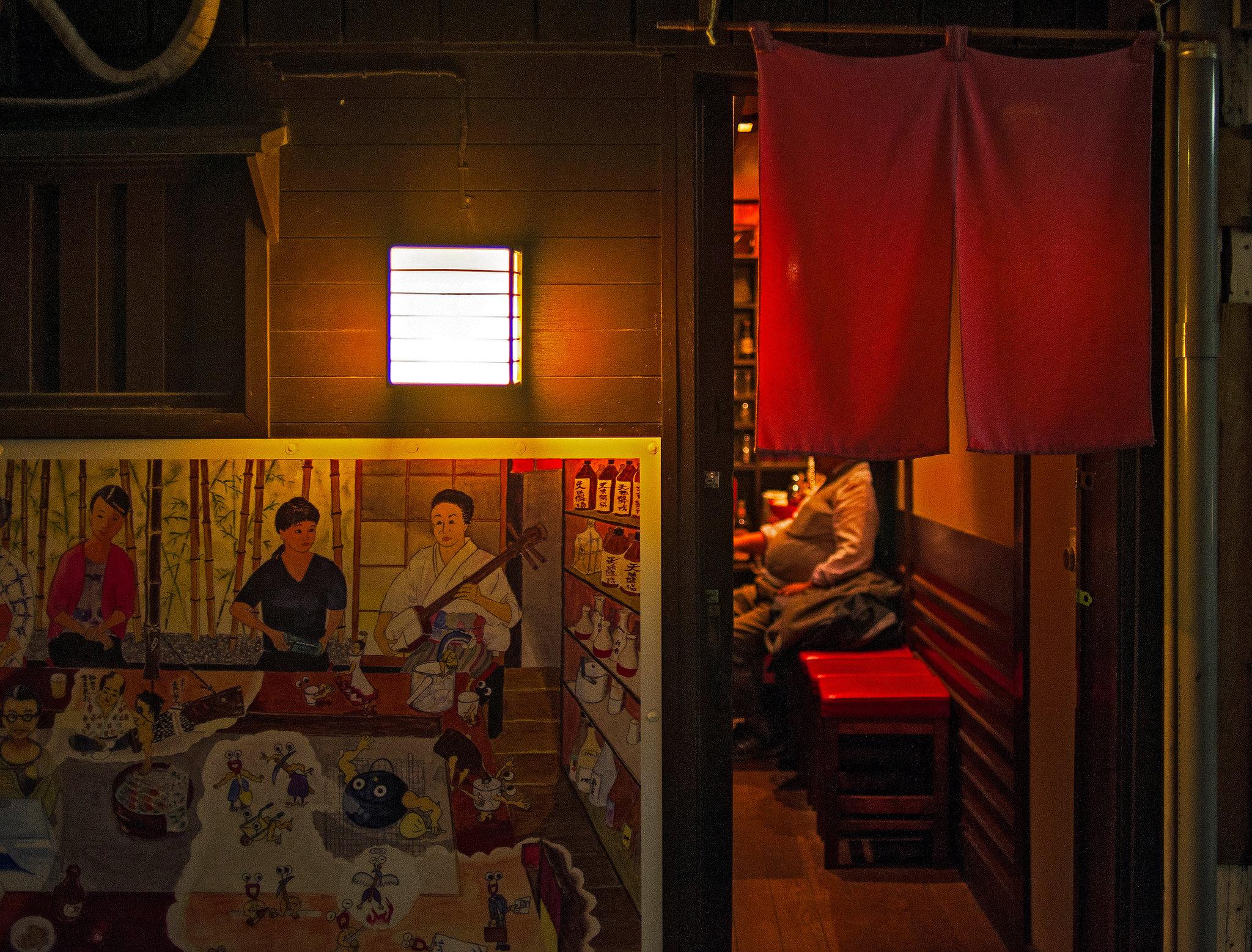
However, the real soul of this metropolis is uncovered through its hidden bylanes and obscure passages. An example of such is Nonbei Yokocho, or the Drunkard's Alley, a serene pathway adorned with crimson Japanese lanterns, a stark contrast to the frantic vibes of the nearby Shibuya Station. Nestled within this alleyway is Shutendo, a quaint sanctuary offering Japanese whiskey and jazz. This place, with its capacity for a mere seven guests, comes alive with the rumbling overhead of the J.R. Yamanote train. It's a sublime experience worth a 14-hour flight—savoring an iced shochu here. Afterwards, explore the Shibuya Creston Hotel for its hidden gem—a subterranean haven called Shabuzen, famed for its unlimited servings of native Wagyu beef in a smoky shabu-shabu setting, complete with waitresses donned in traditional kimonos and arresting ikebana arrangements.
Following my departure from Tokyo, I found myself constantly sharing directions to these unique spots with friends, fellow workers and all those journeying through the city. These unspoiled locations, most of which were shared with me by Ken and other Japanese associates, will give you an authentic taste of the city beyond the customary shrines, high-end hotel services and the notorious Roppongi district. This self-guided tour strives to replicate the unforgettable experience offered by a native friend, a chance to delve deeper into Tokyo's multi-layered culture.
The allure of Tokyo lies not only in its vibrant cityscape, but also in the unique challenges that await adventurous visitors. With a majority of the local population not well-versed in English and a complex network of streets, Tokyo can feel like a labyrinth for outsiders. You might encounter situations where proprietors use a distinctive gesture of crossed arms or flashing fingers, symbolizing an “X” or batsu mark, conveying the message of "wrong" or "no good" - an unequivocal indication that the desired outcome is unlikely to be achieved. (During our most recent trip, my companion Robert and I may have unknowingly set a new record for encountering the "X" at a 24-hour McDonald's.)
Unveiling Tokyo requires embracing its enigmatic nature - a city seemingly designed to both fascinate and isolate. Behind the walls of neon lights, lies a concealed, mystical oasis where you can find experiences that are out of this world, yet sometimes leave you feeling like an outsider.
Our return to Tokyo after seven years commenced with an unexpected reminder of a casual recommendation I shared long ago. Our acquaintance insisted on our tasting the airy, steamed dumplings at Gyoza Lou, a hidden gem nestled behind an unassuming alley near Harajuku's Kiddy Land; I realized he was referring to my own tip.
Fresh off our flight from Narita Airport, we landed at the Park Hyatt Hotel; a slice of cinematic history renowned as the backdrop of "Lost in Translation", portraying the melancholy late-night rendezvous between Bill Murray and Scarlett Johansson. We reenergized ourselves with an authentic bento box from the nearest 7-Eleven, an experience that affirmed even Japan's convenience store delicacies boast a delicious reputation. In an attempt to counteract our jetlag, we decided to forego a nap and met with Ken and Ayumi in the hotel's inviting glass-enclosed lobby.
We let ourselves be guided through Shinjuku's streets, tagging along as Ken and Ayumi navigated their compact, foldable bicycles. Our destination was the unique Albatross G, a snug three-story tavern characterized by its intoxicating blood-red walls. Situated in Golden Gai, an intriguing maze of narrow alleyways barely broad enough for a single person, it stands among hundreds of similar pint-sized bars. Historically, these shanty-style establishments served as brothels until the late 1950s, until such activities were prohibited, adding a layer of intrigue to our outing.
When I first arrived in Japan, my friend Ken took me to Golden Gai where he shared some fascinating stories. One of them was about his mother being a geisha, which I initially thought was a playful fabrication.
Little did I know, it turned out to be true. Later on, I had the chance to witness her mesmerizing fan dance in Atami, a resort town frequented by the legendary John Wayne during the filming of "The Barbarian and the Geisha" in 1958.
Our night continued in the vicinity of the Albatross G at Omoide Yokocho, also known as Memory Lane or Piss Alley. This narrow pathway graced with tiny yakitori establishments served me delectable pork belly and chicken ball skewers, perfectly accompanied by a Hoppy, a popular beer-flavored drink loved by Japan's working class.
While Sukiyabashi Jiro may be the go-to sushi bar for many Americans visiting Tokyo, there are other options worth exploring. One such place is Kyubey, where you can sit right in front of the warm and charismatic head chef, Taira-san. Despite the language barrier, Taira-san manages to communicate with his customers, offering helpful pointers and creating a friendly atmosphere.
Visiting Kyubey can be a crash course in culinary cultural immersion, as Taira-san surprises his customers with unique dishes - like horse meat. This may not be for everyone, but it is certainly an adventurous experience worth trying. It's worth mentioning that if you're not keen on certain types of cuisine, carrying a note in the local language can help avoid any misunderstandings.
Exploring the hidden gems of Tokyo can be both nostalgic and enlightening. However, it's important to acknowledge that life in Japan can also come with challenges such as loneliness and isolation, especially for outsiders seeking to dive deeper into the local culture.
As I hurriedly dressed, I could sense disapproval from the staff. They clearly frowned upon my tattoos, even after my sincerest apologies in Japanese. They bluntly informed me that my husband would have to leave too if he had any tattoos (which he luckily didn't).
Despite my efforts to immerse myself in Japanese culture and learn the language, I couldn't escape the feeling of being an outsider. I seemed destined to be what is considered the worst thing in Japanese culture - a rule breaker.
Leaving the spa, I felt a wave of anxiety, desperate to leave Tokyo behind. Convinced that we were not welcome, I urged Robert to call United and arrange for the earliest possible flight out of the city.
"They despise us," I exclaimed, feeling defeated. "They have no desire to have us here." Seeking a resolution, Robert suggested we discuss the situation over dinner.
And it was at that very dinner, when I savored a single mouthful of Taira-san's delightful unagi seasoned with sea salt, that we both decided to give Tokyo a second chance. We agreed to extend our stay for a few more days, captivated by the exquisite flavors and the promise of further exploration.